ZGCTA Activities
APEC Workshop on Enhancement of Digital Literacy and Skills for APEC Women Held in Beijing
Date:2026-04-27 14:41
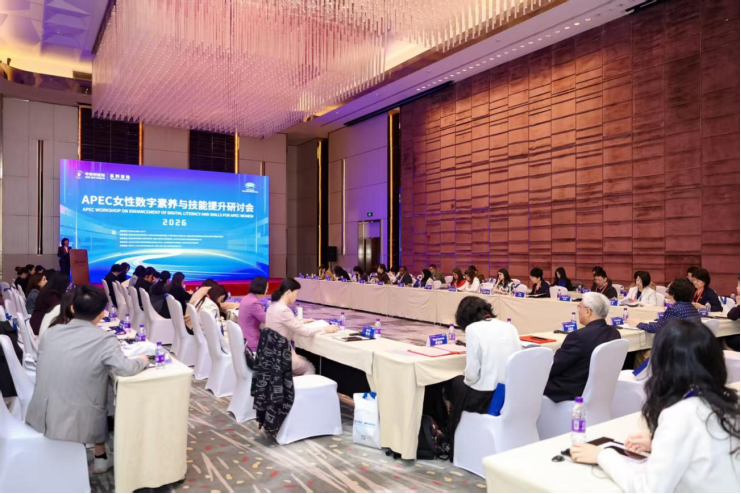
Figure 1 Workshop On-site
On April 22–23, 2026, the APEC Workshop on Enhancement of Digital Literacy and Skills for APEC Women, as one of regular activities of the 2026 ZGC Forum , was successfully held in Beijing. Nearly 100 delegates from multiple APEC economies including China, Peru, Papua New Guinea, Russia, the United States, Malaysia and Thailand, as well as representatives from international organizations attended the workshop. Participants discussed opportunities, challenges and practical pathways for women’s development in the digital era, and built consensus to advance women’s digital empowerment and regional economic development across the Asia-Pacific.
Supported by the APEC Policy Partnership on Women and the Economy (PPWE) funded project Embracing the Changing Future: Enhancement of Digital Literacy and Skills for APEC Women, the workshop consisted of a opening ceremony, strategic dialogue, thematic workshops, and other sessions, focusing on key topics including women’s digital literacy improvement, digital skills cultivation, curriculum system development and intellectual property protection. The workshop was hosted by Beijing Academy of Science and Technology (BJAST), ZGC Global High-Level Think Tank Alliance (ZGCTA), China Women’s Association for Science and Technology (CWAST), and CAST UN Consultative Committee on Women Scientists and Gender Equality & Solidarity. It was co-organized by China Energy Technology & Economics Research Institute, the XIPU Institution of Xi’an Jiaotong-Liverpool University, and ZGC Forum & Exhibition Co., Ltd. It was undertaken by Center for International and Regional Cooperation of BJAST, Network for International Cooperation on Technology Commercialization (NICTC), and Beijing Women’s Association for Science and Technology. The event received strong support from the APEC Secretariat, All-China Women’s Federation, China Science and Technology Exchange Center and other institutions.
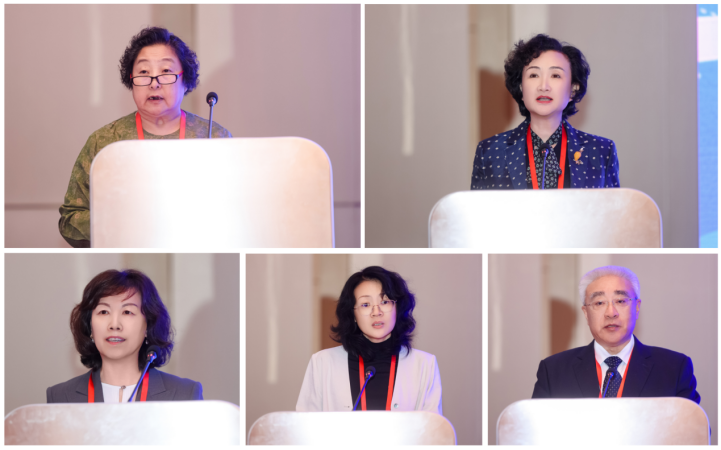
Figure 2 Opening Ceremony Moderator and Remarks Speakers
Xiang Qiao, Deputy President of China Association for Science and Technology, President of CWAST, and Academician of Chinese Academy of Engineering; Zhang Jianmin, Director-General of the Liaison Department of All-China Women’s Federation; Yang Xuemei, Deputy Director-General of China Science and Technology Exchange Center of Ministry of Science and Technology, and Host Vice Chair of APEC Policy Partnership on Science, Technology and Innovation (PPSTI); and Liu Hui, Secretary of the Leading Party Members’ Group of BJAST, Member of the Leading Party Members’ Group and Deputy Director-General of Beijing Municipal Science and Technology Commission & Administrative Commission of Zhongguancun Science Park, attended the workshop and delivered remarks. Ms. Baiq Nouvia, Program Director of APEC PPWE, delivered a guiding speech via video. The opening ceremony was moderated by Xie Xin, Vice President and Secretary-General of CWAST.
In her address, Academician Xiang Qiao emphasized that the digital era requires a gender perspective to bridge the digital divide, improve women’s digital literacy and skills, and ensure women’s equal participation in the digital economy. CWAST will continue to build platforms and promote international cooperation to build a fair and inclusive innovation ecosystem with Asia-Pacific partners.
Zhang Jianmin congratulated the workshop on its opening, noting it is a concrete step to implement relevant initiatives of President Xi Jinping. She introduced China’s practices and achievements in supporting women’s participation in digital transformation and innovation, and called for stronger regional cooperation on women’s digital empowerment to advance women’s cause in the Asia-Pacific and build an Asia-Pacific community.
Yang Xuemei pointed out the workshop aligns with the cooperation priorities of APEC PPWE and PPSTI, and is vital for women’s digital empowerment. She noted the digital divide remains a key challenge for women, and China stands ready to strengthen policy dialogue, capacity building and ecosystem collaboration with all economies to help women share the benefits of digital development.
Liu Hui highlighted the important role of women in scientific and technological innovation. He stated BJAST attaches great importance to the development of women tech talents, and will take the workshop as a new starting point to deepen Asia-Pacific exchanges, empower women with scientific research, and promote regional coordinated and inclusive growth through digital innovation.
Baiq Nouvia shared PPWE’s approaches to empowering women by enhancing their digital literacy, skills and participation in the digital economy. She stressed the importance of digital skills for women’s employment, entrepreneurship and economic participation, and introduced PPWE’s key work and outcomes in advancing gender equality and women’s economic empowerment.
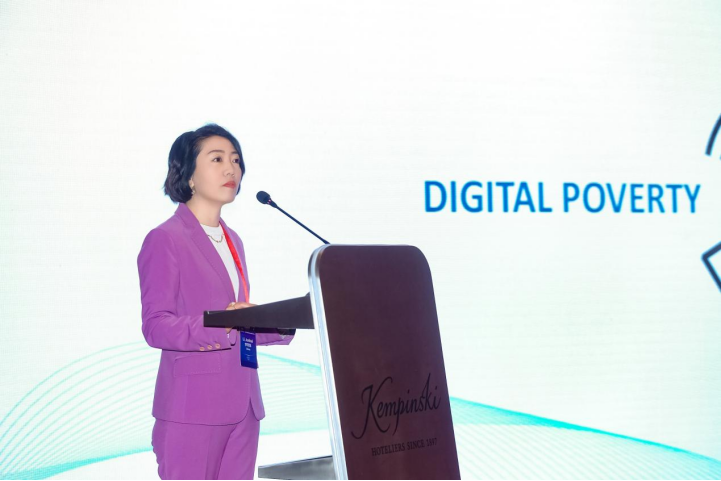
Figure 3 Project Report
During the Project Report session, Li Junkai, Director of Center for International and Regional Cooperation of BJAST, Secretary General of ZGCTA, and Project Overseer, delivered a project report themed Digital Technology Ushers in a New Chapter for the Economic Empowerment of Women in the Asia-Pacific Region. The report outlined the urgency and necessity of digital empowerment for Asia-Pacific women, and proposed pathways to break barriers to women’s economic participation: building inclusive digital infrastructure, developing tiered digital skills training, promoting gender-friendly digital finance and market platforms, and improving digital-inclusive policies and safeguards. It called for collaborative actions under the APEC framework.
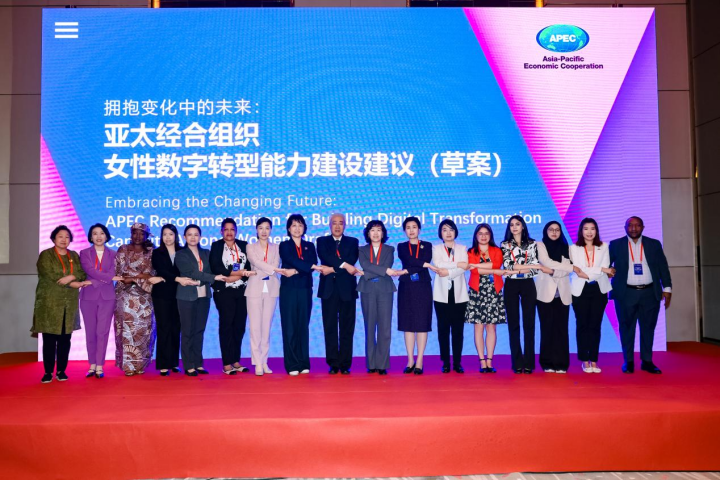
Figure 4 Achievement Release
The workshop officially released Embracing the Changing Future: APEC Recommendation for Building Digital Transformation Capacity Among Women (Draft). Centered on four interlinked strategic pillars—Laying a Solid Foundation, Lifelong Empowerment, Unleashing Opportunities, Optimizing Governance—the draft aims to boost women’s digital capacity, expand development platforms and seize leading opportunities in the digital wave through practical measures such as skills training, case sharing and international cooperation.
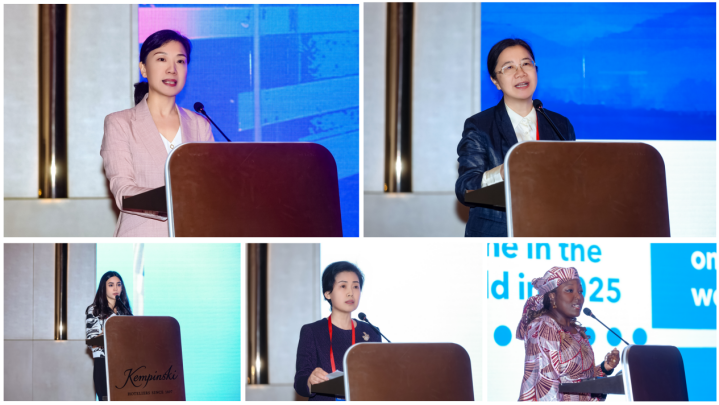
Figure 5 Keynote and Case Sharing Moderators & Experts
During the Keynote and Case Sharing session, Wang Yanfen, Academician of the Chinese Academy of Sciences, Vice President of the Organization for Women in Science for the Developing World (OWSD), Executive Vice President of University of Chinese Academy of Sciences; SOGOMONIAN Diana, Consultant of the UN Cooperation Desk, Department of Multilateral Economic Cooperation and Special Projects, Ministry of Economic Development of the Russian Federation; Yuan Hongying, Secretary of the Party Committee of Shandong Academy of Social Sciences; Dunola Oladapo, Program Officer for Gender and Youth Affairs, Office of the Secretary-General, International Telecommunication Union (ITU), shared practical experience from the perspectives of cutting-edge science and technology, national practices, grassroots empowerment, and international organizations respectively. Jiang Chonghua, Division Director of New Technology and New Product Promotion of Beijing Municipal Science and Technology Commission & Administrative Commission of Zhongguancun Science Park, presided over this session.
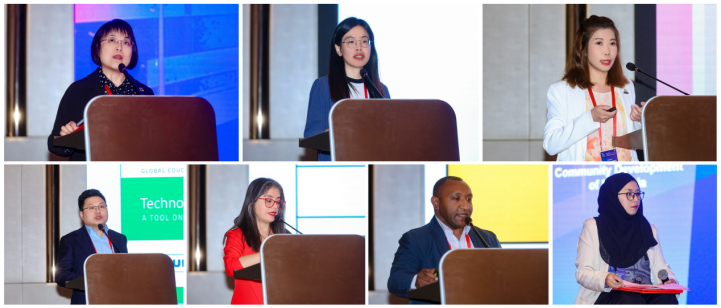
Figure 6 Moderators & Experts of Workshop Session 1
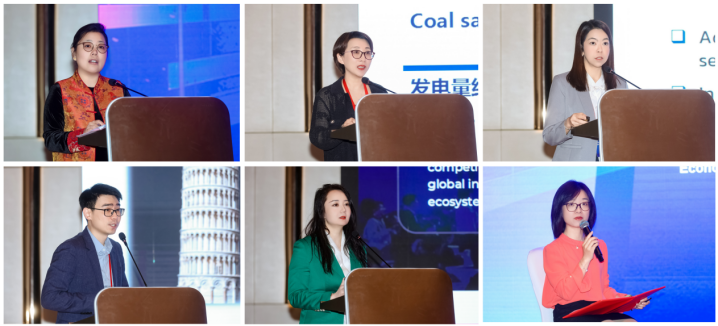
Figure 7 Moderators & Experts of Workshop Session 2
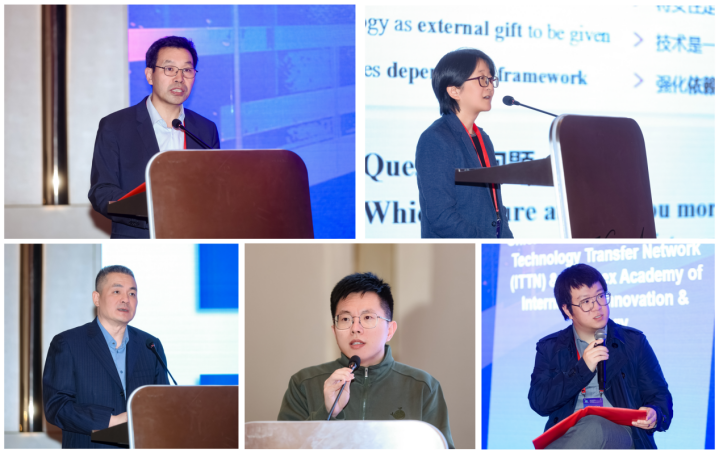
Figure 8 Moderators & Experts of Workshop Session 3
In the workshop session of preparation meeting for practical training courses on enhancement of APEC women’s digital literacy and skills, the participants held in-depth discussions on three topics: “Digital Skills, Course Design and Learning Approaches”, “Capacity Building Activities and Practical Tools”, and “Training Promotion and Intellectual Property”. Li Yingtao, Professor and PhD supervisor of School of International Relations and Diplomacy and Director of the Center for Gender and Global Studies of the Beijing Foreign Studies University; Gao Ling, Executive Director of the UNITAR-Global SDGs and Leadership Development Center; and Song Hefa, Vice Dean of the Intellectual Property School of University of Chinese Academy of Sciences, presided over each topic and delivered summaries respectively. Guests from China, Thailand, Malaysia, Peru, Papua New Guinea and other economies shared wonderful insights and had in-depth discussions on the practical paths of improving women’s digital literacy and skills. Nurul Huda Binti Abdul Manaf, Principal Assistant Secretary of the Ministry of Women, Family and Community Development of Malaysia; Maggie Hu, Director of Government Affairs and Policy, Greater China, Springer Nature; and Liam Li, Chief Researcher of International Technology Transfer Network (ITTN) and Matrinex Academy of International Innovation & Strategy, presided over the panel discussions of the thematic report experts in each workshop session respectively.
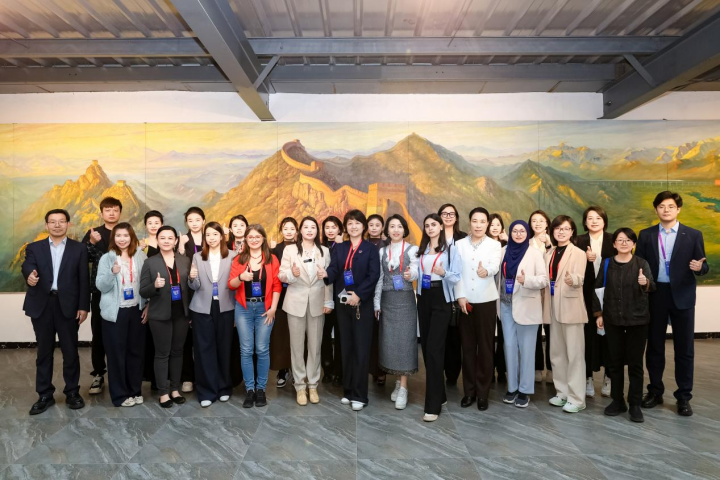
Figure 9 Visit & Exchange
After the seminars, the Beijing Women’s Federation invited the participants to visit Huairou District. They visited Tian Fengyin Great Wall Art Museum and Beijing Gaolianghe Color Painting Factory, the capital’s development bases for women and children, to learn about the achievements of women’s development in Beijing and exchange views with women representatives who attended the Fourth World Conference on Women. Lei Xiaoning, Vice President and Member of the Leading Party Members’ Group of Beijing Women’s Federation, participated in the visit. Through the visit, the participants personally experienced the profound heritage of the Great Wall culture and the unique charm of the intangible cultural heritage of porcelain art, learned about the vivid practice of women artists and intangible cultural heritage inheritors driving women’s employment and income increase, enhanced mutual understanding and deepened friendship through cultural exchanges, which fully demonstrated the organic integration of women’s power and cultural inheritance.
Closely following the important goals of gender equality and women’s empowerment in the APEC Putrajaya Vision 2040 and the La Serena Roadmap, the workshop takes "targeted empowerment, practical implementation, and collaborative ecosystem building" as the core, focuses on the opportunities and challenges of women’s development in the digital era, deepens regional cooperation and knowledge sharing through policy dialogue, case sharing, thematic workshops and other forms, and creates an open and inclusive digital development ecosystem to empower the follow-up training courses and the development of women and the economy in the Asia-Pacific region. Relying on the APEC framework, all parties will continue to deepen exchanges and cooperation, jointly develop high-quality training courses suitable for all APEC economies, and improve the digital literacy and development capacity of women in the region.
(Text/Photo by ZGCTA Secretariat Office)
